Main Page
From New World Encyclopedia
New World Encyclopedia integrates facts with values. Written by certified experts.
Featured Article: Alliterative verse
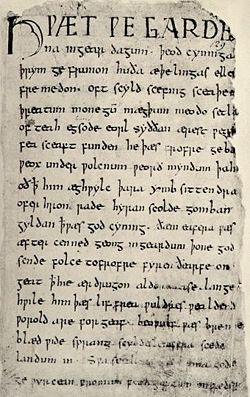
The Old English epic poem Beowulf is written in alliterative verse
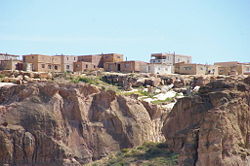
Popular Article: Pueblo
Pueblo is a term used to describe modern (and ancient) communities of Native Americans in the Southwestern part of what is now the United States of America. The first Spanish explorers of the Southwest used this term to describe communities that consisted of apartment-like structures made from stone, adobe mud, and other local material. Designed for defense as well as shelter, pueblos were often built atop steep mesas. Pueblo People still inhabit a number of these villages, which date back a thousand years making them the oldest continuously occupied dwellings in North America.
Did you know?
Archie Moore's boxing style earned him the nickname "The Mongoose" and later in his career "The Old Mongoose" (source: Archie Moore)
Recently Updated


